 Log In
Everything You Need to Know if Your Child Is Flying Alone
Dec 17, 2019
3 min read
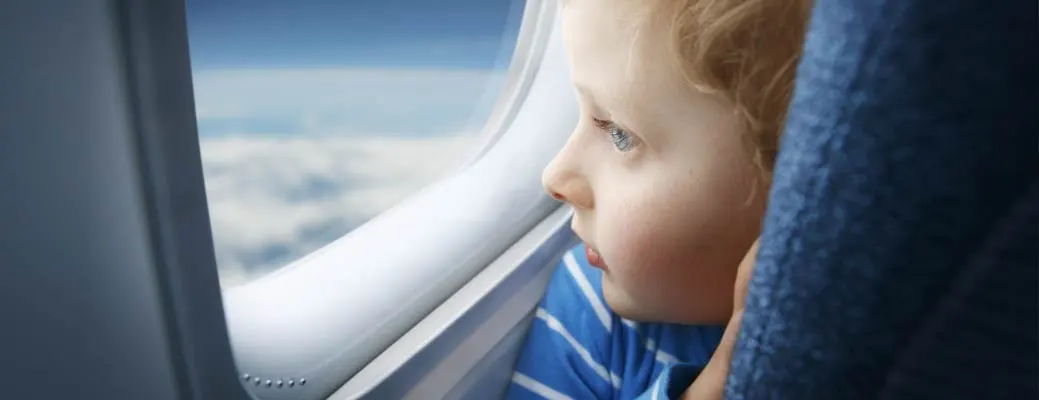
At what age can a child fly alone? It’s a question that’s hard to fathom when your children are small, but eventually the day will come when they’re able to fly as an unaccompanied minor. This is a big milestone, though of course it can be an intimidating one for both you and your child.
Don’t worry: Airlines do their best to make sure that the experience is as smooth and safe as possible. But having guidance will ensure that you and your young traveler have a positive and memorable experience. Here are our best tips for setting your child on their way safely.
What age is an unaccompanied minor? If your child is between the ages of 5 and 14 and is flying alone, they are usually considered “unaccompanied minors” by most airlines. However, different rules apply depending on their age.
These are the most common rules on most airlines:
Remember, all airlines are different. So, before you book a flight, read up on their rules and regulations regarding children traveling alone. There may be additional restrictions for minors flying alone — for example, some airlines forbid unaccompanied minors on overnight flights. Familiarize yourself with their policies so you’re prepared as you make travel arrangements.
This also can vary from airline to airline. It depends on the airline and your child’s age, but fees typically range from $50 to $150 each way, per child.
The best way to have a certain answer is to call the airline to make sure it has all the information it needs to ensure your child has a comfortable, stress-free flight. Specify that your child will be traveling alone. You will also need to provide the airline with the full names, phone numbers and addresses of the person dropping your child off and picking them up.
Once you’ve booked their flight, it’s time to prepare your child for their trip. Go over their itinerary and secure their travel documents in one safe place. If they’ve never flown before, take them to the airport a day or two in advance and point out things like the service desk and how to recognize uniformed personnel.
Remember, airports can be intimidating — even for adults! Familiarity can go a long way toward lowering the stress levels of your children.
For younger children especially, it’s helpful to go over what they can expect as they go through security. They can practice removing their shoes, placing their items in a bin and walking through metal detectors. Most airlines will allow you to accompany your child through the security checkpoint and wait with them at the gate until their plane takes off, which can help alleviate your anxiety — and theirs!
You don’t want your child to have to wrestle with luggage. Make sure they pack light. A single carry-on that can be stowed underneath the seat in front of them and a personal item is ideal. Include some TSA-approved snacks and an empty water bottle — remember, you can’t bring liquid through the security checkpoint.
Help your child stay entertained on the flight by packing books and a tablet with their favorite movies. Make sure they understand the importance of turning electronic devices off during takeoff and landing. Give your child some cash or a pre-paid gift card for emergencies or extra snacks.
Delays and cancelations are common, so tell your child what to do and who to contact if an issue occurs. Make sure they also have a picture of the adult picking them up at their destination with their address and phone number printed on the back. The person picking up your child should also have a photo ID to confirm their identity with airline personnel.
Children often pick up on adults’ anxiety and fear cues. If you seem worried about their trip, they may be, too. Help them feel confident and safe by projecting your own feelings of confidence in them. Remember, the airline is staffed by people who are trained to help your child safely reach their destination. They’ll be there in no time.
While the idea of your child traveling alone can be stressful, it’s also an opportunity to teach them skills that will serve them well in the future. Reach out to Farm Bureau to find out how we can help make your child’s first solo flight a smooth one. Talk to us today about whether your upcoming trip warrants travel insurance.