 Log In
Working in Cold Weather: Safety Tips for Farmers and Ranchers
Nov 21, 2025
3 min read
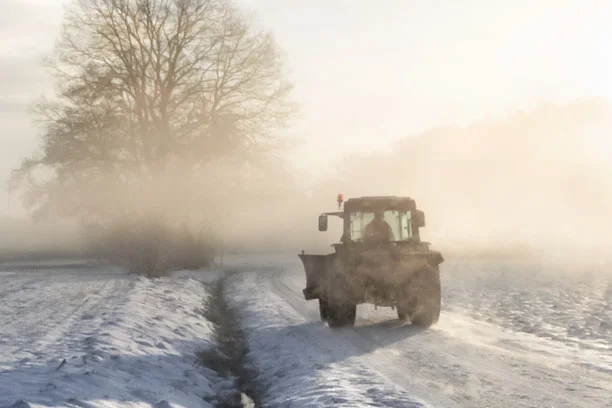
When snow, ice and cooler temperatures arrive, it’s tempting to stay indoors, and city folks probably wonder, “What do farmers do in the winter?”. Farmers and ranchers know that their ag operations don’t stop when the temps dip! Yet Old Man Winter can bring hazards to workers, and safety is paramount. To stay safe, everyone should observe our working in cold weather safety tips.
There are plenty of ways to make working in winter temperatures and snowy or wet conditions safer and more pleasant, from how to stay warm in cold weather to how to monitor for signs of hypothermia.
You should always remember to use the buddy system whenever possible and work during the warmest part of the day. Here, we’ve compiled some additional safety tips for working in cold conditions that will help you make the most of the snowy months.
Plus, no matter what time of year it is, you can reach out to Farm Bureau anytime to make sure your farm or ranch has the coverage it needs.
Wind chill plays a big role in deciding whether you should skip working outside in cold weather. Wind chill temperature measures the actual effect cold weather will have on your exposed skin. Even if the air temperature seems reasonable, a harsh wind chill can make conditions too dangerous for prolonged work. Though we know your farm or ranch can’t take days off.
The Occupational Safety and Health Administration (OSHA) has a colorful easy-to-read chart, created by the American Conference of Governmental Industrial Hygienists (ACGIH), that tells you how long you can work in wind chill conditions before risking frostbite. Be mindful of any health conditions you may have that could make working in extreme conditions riskier — and always cover up exposed skin.
Taking indoor breaks is a key component of working in cold weather safely. During your breaks, be sure to check your body for signs of cold stress. (See below for more on cold stress.) Sipping a warm, but not piping hot, sweet beverage will help re-energize your body and eat a warm, high-calorie snack or meal as well. Consuming less caffeine and alcohol is a recommended way to avoid putting stress on your system.
To keep your house cozy for breaks or post-work rest, check out our tips.
OSHA recommends wearing at least three layers of clothing to ward off the chill. Start with a base layer against skin, ideally from a moisture-wicking fabric such as polyester or merino wool. Then add an insulating layer in the middle, and a wind and water-resistant outer layer that has a bit of ventilation.
When you wear cotton in cold or wet weather, it absorbs moisture — which will cause you to chill as it absorbs wetness and sweat — and dries slowly. Synthetic fabrics, wool and silk are all safer options.
Additionally, choose loose-fitting layers to avoid circulation issues; if you cut off your circulation, you’ll get cold and risk frostbite and other serious problems.
Wear protection for your face and mouth as well, if needed. A hat and gloves are a must to protect skin and prevent heat from escaping. A good pair of insulated, waterproof boots will keep your feet dry and toasty.
Cold stress happens when the external temperature drives down skin temperature, and eventually body temperature. Most common cold-induced illnesses and injuries involve hypothermia, frostbite and trench foot. If any of these happen to you or someone else, don’t hesitate to call 911 and get emergency help.
Here are some ways to spot cold stress.
Hypothermia occurs when you lose body heat faster than you can replace it. We often think of hypothermia occurring in extreme cold, but it can also happen on a nice, cool day if you become wet from sweat, rain or other water exposure.
Excessive shivering is an early warning sign. But as body temperature continues to fall, that shivering will stop.
Keep an eye out for loss of coordination as well as disorientation in yourself and others. If you experience these symptoms, seek shelter, remove wet clothing, take steps to warm up (such as moving close to another warm body) and call a medical professional.
Frostbite happens when skin or underlying tissue freezes. Watch your extremities for gray or white patches on reddened skin, numbness or a feeling of firmness or hardness.
If you suspect you have frostbite, seek shelter, remove wet clothing and get medical attention. Do not try to rewarm frostbitten areas by placing them in warm water or some other remedy, even if it makes sense to you at the time — more damage could occur.
Trench foot, also called immersion, happens with continuous exposure to wet and cold conditions. The body essentially will shut down circulation in the feet, and tissue will begin to die. Trench foot can even occur on a nice 60-degree day because wet feet lose heat 25 times faster than dry ones.
Redness, swelling, numbness and blisters could all be signs of trench foot. Seek shelter, remove wet socks or boots and carefully dry your feet.
Using these tips, you’re sure to stay safe this winter. But is your farm or ranch protected? Safeguard what matters most with help from Farm Bureau today.