 Log In
7 Energy Saving Tips for Winter
Dec 23, 2025
3 min read
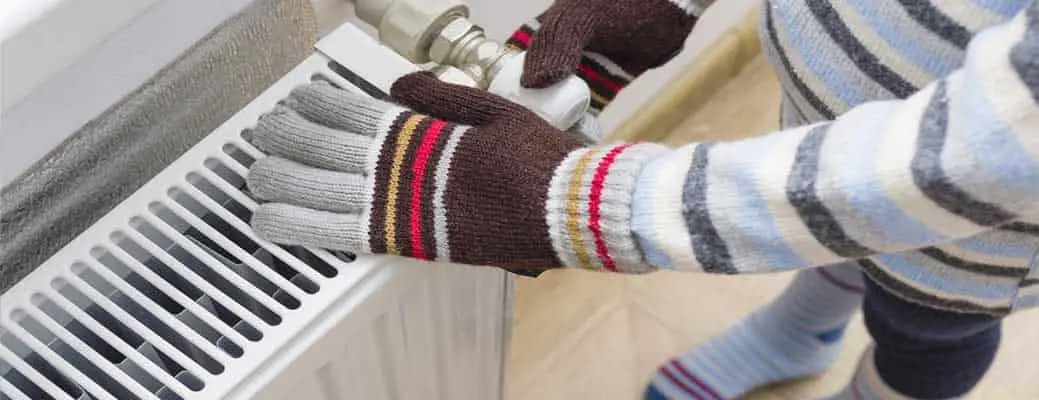
If you dread opening your electric bill during the winter months, you’re not the only one. When temperatures fall outside, your inclination might be to turn up the thermostat to tropical temperatures and forget about the snow falling a few feet away. But making your home feel like the beach can wreak havoc on your energy bills. And knowing how to lower the power bill in winter can help you save money and still stay warm in the cold.
But do you know how to lower your electric bill in the winter? You can beat the chilly temperatures with these winter energy saving tips that can help you stay within your personal budget. Here are some energy-saving tips for lowering your winter electric bill. And if you want to find other places where you can save money in your life, speak to a professional at Farm Bureau.
The best way to start saving money on your electric bill in the winter is by saving energy. By keeping your temperature setting a few degrees cooler when it’s cold outside, you will optimize the efficiency of your furnace. A smart thermostat can help you set a schedule to keep the temperature cooler during the day when no one is home and overnight when you are in bed. Turning your thermostat down 7 to 10 degrees F for 8 hours a day could save you as much as 10% each year on your energy bills.
A little extra clothing can go a long way toward keep you warm. A sweater and some cuddly socks can help, but so can layering up. Consider a thin thermal layer underneath that sweater, like a soft silk T-shirt or another moisture-wicking layer. Extra layers trap body heat and keep you comfortable, too.
You may not be an HVAC professional, but there are simple things you can do to make your furnace run more efficiently. You’ll save energy in winter if you change the air filters at the start of each heating season — a clean air filter is more efficient. Don’t forget to dust around the unit regularly. For maximum energy efficiency, it’s also helpful to have your furnace tuned up by a professional once a year.
You have two types of vents in your home: supply and return air vents. Both are crucial for maintaining optimal temps in your home. If these vents are covered, your furnace will work overtime to deliver warm air and whisk away cooler air, and your electric bill will rise as a result. So, make sure you locate those vents, and then give your furnace (and utility bills) a break by not covering your heating vents with furniture or other obstacles.
While you’re being mindful about airflow, take a moment to reverse the direction of all of your ceiling fans throughout the house. To save on heating costs, make sure the ceiling fan blades move clockwise during the colder months. That will force the warm air trapped up at the ceiling down to the living areas where you really need it. The added heat will help you save energy and lower your heating bill in winter. It’s like magic!
Weather stripping is a simple, affordable way to lower your electric bill in winter. If you can see light around a door, that means it’s not fully sealed. The common weather-stripping tape found at any hardware store provides an easy do-it-yourself solution. If you can feel air flowing around a window, running a bead of caulk around the edges can provide a tight seal and save on heating costs.
Hold your hand in front of a window on a cold day. Do you feel a breeze? If so, your money could be literally flowing right out the window. Inefficient windows can be expensive to replace, but you can create a solution by adding plastic sheeting to windows. This will increase insulation, reduce drafts and keep your home warmer this winter.
Look at your curtains, too. Consider buying window treatments that have a heavy lining that keeps the drafts to a minimum. This will help maintain the heat that your furnace produces and help you lower your energy bills.
A fire can make your home feel warm and cozy. But when it’s not in use, a fireplace can also be the source of a lot of heat loss. When you aren’t using your fireplace, keep the damper closed. Before the first fire of the season, check seals and make sure everything is as snug as possible. When you have a fire going, lower your furnace temperature by 10–20 degrees so your furnace isn’t doing double duty.
In every season, small discounts can add up to big savings. If you are looking for other ways to save, reach out to Farm Bureau about discounts you may be eligible for.