 Log In
5 Home Remodeling Mistakes to Avoid
Aug 14, 2026
2 min read
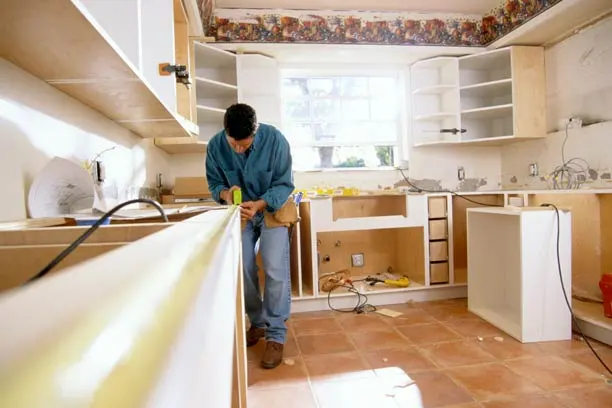
New homeowners get to dream. Purchasing a new home is just the first step toward creating a home that feels like it is truly your own — reflecting your taste, desires and needs — but home remodeling can get expensive. So, don’t just dive in: Plan carefully and think about what choices are right for you.
Whether you’re in for a gut renovation or just making a few cosmetic updates, there’s a lot more to designing a property than you might think. Use this list of tips to avoid overspending and making common mistakes.
As you plan for your future in your home, reach out to Farm Bureau to discuss the best options for protecting your investment.
Home remodeling projects are exciting! From creating Pinterest boards to shopping for new furniture, it’s easy to get caught up in the rush of a remodel. But moving too quickly can mean that you overlook the details and get lost in the weeds.
Unfortunately, this can lead to critical mistakes in the process, and you might inadvertently set your home renovation project timeline back, which can make the cost of the project skyrocket.
As you set out on your own design project, take a moment to take a deep breath, think about your needs and wants and don’t rush into anything too fast.
Creating a budget for your renovation helps you know your limits. A good budget will keep you on track financially, keeping you from overspending in one category and leaving you without needed funds in another. Remember, a budget is only effective if it is realistic and well thought-out — and you actually stick to it.
A budget that fails to account for all aspects of the project could leave you with unfinished work. Be sure to consider the entire scope of your renovation when making your budget: materials, finishes, labor, permits and temporary housing are all things that can get overlooked.
It might be tempting to rush into a remodel as soon as the house is yours. But unless the home you’ve purchased is uninhabitable in its current state, it is always a good idea to live in the space for a while before undergoing any major overhauls.
You’ll get a better feel for the space this way, which might introduce you to things you weren’t aware of about the space. This will also give you a better understanding of what elements should be updated based on your own needs, rather than on what’s trending.
Of course, with the costs of materials these days, we all want to save money whenever possible. But when it comes to your home, there are some things you shouldn’t skimp on.
Using cheap building materials, DIY labor and unlicensed contractors may seem like they would lower the cost of your renovation. But in the long run, these things could cost you more when tasks are left unfinished or construction begins to come apart. Make sure you carefully weigh savings vs. risk so you can spend smart.
It’s normal for renovation timelines to flex by a few days or weeks. It’s almost a given! But if you let things languish too long, you run the risk of having a half-finished home for far too long.
Work with your contractor to put together a list of items and construction materials that need to be purchased and deadlines for making decisions — and then resist the urge to change your mind. And when you’re hiring a contractor, ask for recommendations for those who tend to finish work on time and do a good job.
Even if you don’t plan on selling your house any time soon, it’s still a good idea to consider whether you’ll be able to recoup the costs of the renovation down the road. While that indoor swimming pool or movie theater may bring you immense joy, it may not appeal to other buyers enough to make the investment worthwhile.
There may be no bigger mistake than failing to have the right insurance in place for your new home. Reach out to Farm Bureau today to guarantee that your homeowner coverage is up to par.