 Log In
What to Do After a Fire
Jul 2, 2026
2 min read
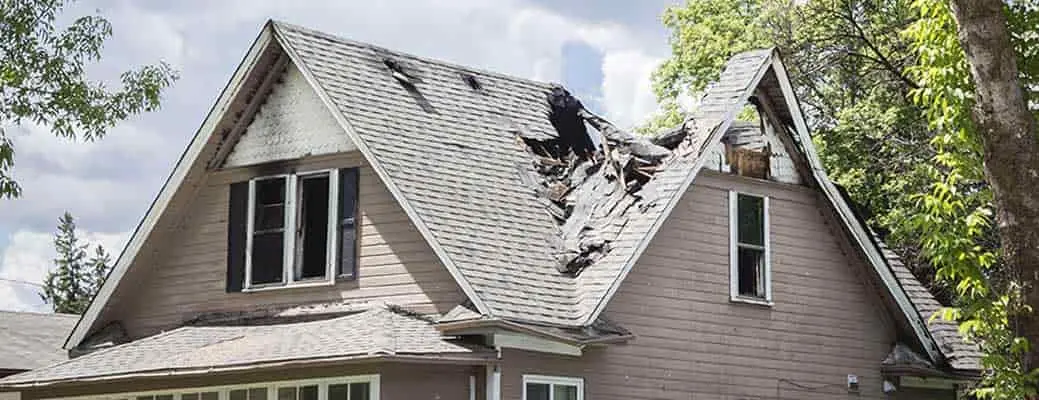
Fire is scary, especially for homeowners. It can upend your sense of safety, damage property and leave you wondering what to do next. If your home has suffered a fire, we’re here to help. This checklist will walk you through what to do after a house fire and get you on the road to recovery.
When you’re thinking about protecting your home against fires and all kinds of other risks, reach out to Farm Bureau to discuss the best policy for your needs.
After a house fire, people are your first priority. You may need to call the fire department and emergency medical services to tend to any immediate needs that people (and pets) may have. Before you think about damages to property, make sure your loved ones, friends and any other people who were involved in the fire or those that have been injured are getting the attention they need.
Once the safety of people and pets has been assured, then it’s time to think about how to recover and assess the damage from the house fire.
The next step in the post-fire recovery process is contacting your insurance agent or a claims representative to begin the claims process. Filing a claim will help you begin to recoup the value of any property that may have been harmed during the fire.
This process can take some time. But if you are in immediate financial need, you may be able to receive an advance payment. Keep in mind that this payment will be likely be deducted from your eventual loss settlement.
No matter what the level of damage is to your home, you probably can’t stay in your house after a fire. Lingering smoke and poor air quality, water damage and other issues with the house likely will make it impossible or unpleasant.
It may be preferable to stay with family or friends, especially if you are feeling unsettled or upset by the events, but that’s not always possible. Your insurance agent or claim representative can help you locate temporary housing and other essentials that you may need, such as clothing and personal hygiene items. Make sure you keep receipts for anything you need to purchase, especially food receipts, as you may be able to receive reimbursement.
A fire can make your home susceptible to vandals and thieves. To protect your property from further hazard, you may want to board up the doors and windows, especially if you are leaving the premises.
If you have valuable personal property that survived the house fire, move it to a protected area. Depending on the season, you may need to take additional steps, such as winterizing plumbing. Think through what needs protection.
The best time to make a home inventory is before you need it! But when you begin to make a fire damage insurance claim — and if you don’t already have an inventory — start gathering information about your damaged pieces of property. This may include items as big as your big-screen TV or as small as a watch.
Note as many details as you can, such as brand name, purchase price, serial number and a description of each item. Having this list will help you and your insurance agent properly compensate you for what was damaged in the fire.
If you’ve settled your house fire claim, it’s time to repair, rebuild or restore your home. Don’t worry. You’ll be back on your feet soon!
Expect the unexpected with insurance. To protect your home for when things don’t go according to plan, contact Farm Bureau today.